
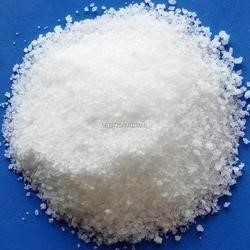

Calcium propionate is a food additive present in many foods, especially baked goods.
It acts as a preservative to help extend shelf life by interfering with the growth and reproduction of microorganisms.
Properties
| Formula | C6H10CaO4 |
| Molar mass | 186.22 g/mol |
| Solubility in water | 49 g/100 mL (0 °C); 55.8 |
| Solubility | slightly soluble in methanol, ethanol; insoluble in acetone, benzene |
| chemical structure | 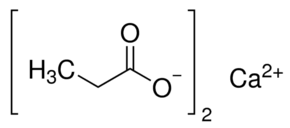 |
Applications
Antimicrobial activity
Calcium propionate is more active than sodium benzoate against molds, but have no activity against yeast, thus making it an ideal choice for bakery products (proper amount at the concentration 0.1-0.4%) that use yeast as an ingredient.
It can also be functioned as mold and rope inhibitors in cheese, non-alcoholic beverages, confections, fillings, frostings, fresh dough, pizza crust, puddings, gelatins, jams, jellies and some meat products.
Propionic acid will go into the cells of mold and then inhibits the enzyme metabolism; at the same time, it will inhibit microbial growth by competing with alanine or other essential amino acids which are needed for microbial growth. That is the mechanism of calcium propionate work to prevent mold and other microorganisms.
Propionic acid is also a preservative that can be found in natural foods. It has the best preservation activity when compared with calcium propionate and sodium propionate. Sodium propionate is also used as a mold inhibitor, but calcium form is better as it can help reduce sodium levels in food, also provide the nutritional value of calcium.
It is used as a preservative in a wide variety of products that include bakery, cheese, meat, dairy products and etc. It is also used for the prevention of milk fever in cattle.
Food
Bread is easy to be contaminated with mold in a hot, humid environment and on the equipment although they were killed during the baking process. Calcium propionate is the mold inhibitor commonly used in bread and other yeast-based bakery goods without interfering with its fermentation as it has no activity against yeast.
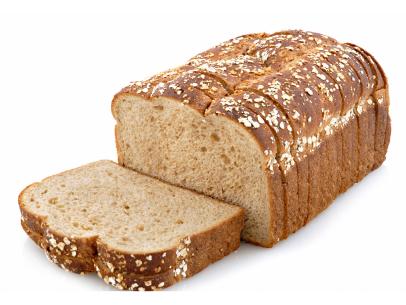
In addition, it can enhance calcium nutrition.
Sodium propionate is not recommended to use in bread or rolls because it will delay fermentation of yeast, but it is suggested in the preservation of cakes while calcium (from calcium propionate) alters the action of chemical leavening agents in cakes.
Feed
Calcium propionate can also function as a mold inhibitor and treat milk fever for swine, ruminant (horses and cattles), poultry, fish, pet and other animal feed.
Treat Milk Fever
Milk fever is a disorder that mainly occurs in dairy cows. The absorption of calcium will be reduced and excretion will be increased after calving, resulting in the calcium concentration below 5.0 mg/dl in the blood which will lead to milk fever and accompanies body function disorder.
Calcium propionate can effectively prevent and treat nutritional metabolic diseases such as ketosis and milk fever.

Cosmetics
Per the “European Commission database for information on cosmetic substances and ingredients”, calcium propionate acts as a preservative in cosmetic and personal care products.
Metabolism
Calcium propionate will be hydrolyzed to propionic acid and calcium after entering into the feed body. Propionic acid is an important volatile fatty acid, a small amount of it will be converted to lactic acid, and the rest will turn to glucose or provide energy after oxidation. It can be seen that calcium propionate is an important energy substance.
Meanwhile, it is a supplement of calcium which benefits teeth, muscles, nerves, and cells work normally and also build and maintain strong bones.
Dangers
Calcium propionate has been approved for use by the Food and Drug Administration (FDA), World Health Organization (WHO), and Food and Agriculture Organization of the United Nations (FAO).
An animal study showed that feeding rats 1–3 grams of calcium propionate daily over 4–5 weeks had no impact on growth.
Similarly, a 1-year study in rats showed that consuming a diet comprising 4% calcium propionate — a higher percentage than people would consume daily — had no toxic effects.
Most lab studies on calcium propionate and toxicity came back negative, except for a few that used exceptionally high amounts.

Possible downsides
Generally speaking, calcium propionate is safe with little to no side effects.
In rare situations, it may cause adverse effects, such as headaches and migraines .
One human study linked propionate intake to the increased production of insulin and glucagon, a hormone that stimulates glucose (sugar) release. This can lead to insulin resistance, a condition in which your body cannot use insulin properly, which may lead to type 2 diabetes.
In addition, a study in 27 children found that some experienced irritability, restlessness, poor attention, and sleep issues after consuming calcium-propionate-containing bread daily.
However, more human studies are needed in these areas before it can be determined that calcium propionate causes these effects.
That said, the additive should not cause issues for most people.
References:
https://www.healthline.com/
https://foodadditives.net/
https://en.wikipedia.org/
https://pubchem.ncbi.nlm.nih.gov/
Be the first to review “Calcium propionate”
Related products

Uncategorized

Uncategorized

Uncategorized

Uncategorized

Uncategorized

Uncategorized

Uncategorized

Uncategorized
Reviews
There are no reviews yet.